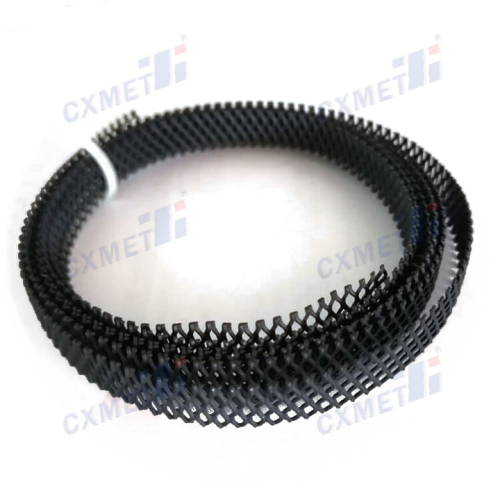
twl platinized titanium anode
Platinum Titanium Anode
Price depends on specification & quantity. Contact us for a quotation.
Key Features and Benefits
Superior Corrosion Resistance: Withstands aggressive chemical environments
High Catalytic Activity: Ensures efficient electrochemical reactions
Low Overpotential: Reduces energy consumption in electrolytic processes
Extended Lifespan: Minimizes replacement frequency and downtime
Uniform Coating: Promotes even current distribution
Customizable Designs: Tailored to fit specific application requirements
OEM and Customization Services: Customized Geometries and Exact Dimensions
At Shaanxi CXMET, we understand that one size doesn't fit all. Our team of experts works closely with clients to design and manufacture 【twl platinized titanium anodes】 that meet precise specifications. Whether you need unique shapes, sizes, or coating compositions, we can deliver a solution that optimizes your electrochemical process.
Platinum coating on titanium substrate
TWL (Thermal-Welded-Loop) construction for enhanced durability
Available in mesh, plate, rod, and custom geometries
Optimized surface area for maximum catalytic efficiency
Resistant to dimensional changes during operation
Technical Specifications
Base Material: Grade 1 or Grade 2 Titanium
Platinum Coating Thickness: 2.5-7.5 μm (customizable)
Operating Temperature Range: Up to 80°C (176°F)
Current Density: Up to 10,000 A/m²
Typical Lifespan: 5-10 years (application-dependent)
Applications and Industries
Our 【twl platinized titanium anodes】 find extensive use in:
Electroplating and Surface Treatment
Chlor-alkali Production
Water and Wastewater Treatment
Metal Recovery and Refining
Cathodic Protection Systems
Electrochemical Synthesis
Swimming Pool Chlorination
Regularly inspect anodes for signs of wear or coating degradation
Maintain proper electrolyte conditions to maximize anode performance